
Bat Removal & Prevention: Professional Bat Removal Services in Fenton MI
At Bat Removal & Prevention, we’re proud to offer expert bat removal services to homeowners throughout Fenton, MI. Our company focuses on humane bat extraction, full-scale cleanup, and long-term prevention solutions that help protect your home as effectively as possible. Whether you’re dealing with attic scratching, strong odors, or bats entering living spaces, we bring years of experience, specialized equipment, and a commitment to doing the job right the first time. Bats are valuable creatures, but they don’t belong inside your home, and we’re here to solve the problem safely, legally, and completely.
What Is the First Step if I Suspect Bats in My Home?
If you think bats are present in your attic or walls, the first step is to schedule a professional inspection. Many homeowners hear light fluttering at dusk, occasional squeaking, or notice bat droppings and assume the issue is small. Bats often enter through tiny openings, sometimes less than a half inch wide, which means the infestation might be larger or more widespread than expected.
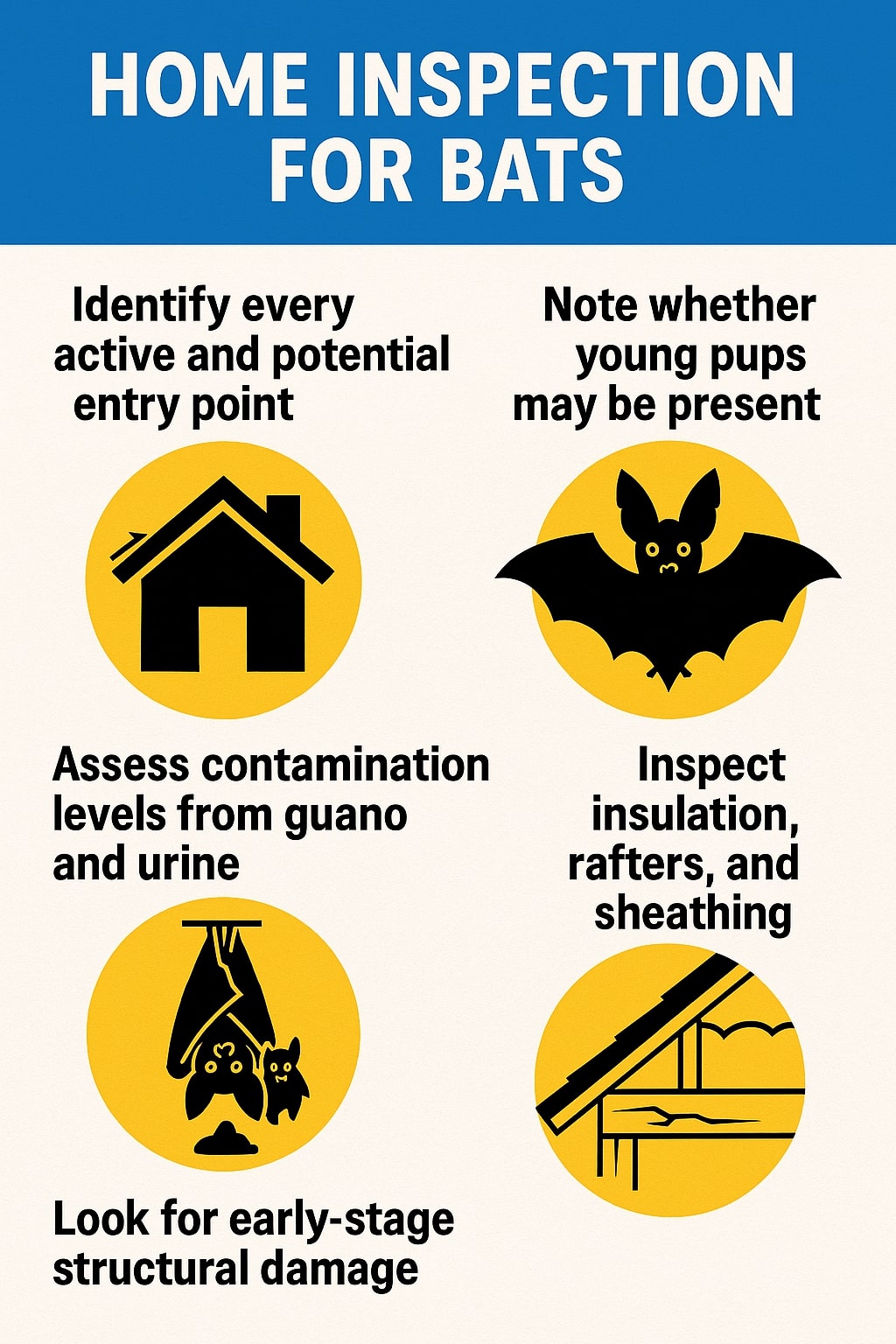
During our inspection, we:
- Identify every active and potential entry point
- Determine the species of bat and whether young pups may be present
- Assess contamination levels from guano and urine
- Inspect insulation, rafters, and sheathing for moisture or decay
- Look for early-stage structural damage caused by long-term nesting
A common question we hear is whether homeowners should try sealing the openings themselves. This is risky because sealing the wrong area at the wrong time can trap bats inside, causing them to reappear in living spaces. It can also violate Michigan’s wildlife regulations regarding humane exclusion. With our team, the inspection sets the foundation for a controlled, legal, long-term solution that keeps your home healthier and your family safer.
Living in Fenton MI: A Community Surrounded by Nature
Fenton MI is a beautiful place to call home. Residents enjoy the historic charm of downtown, the peaceful shores of Lake Fenton, and outdoor spaces like Silver Lake Park and Dauner Martin Nature Preserve. The city blends natural scenery with a vibrant community culture filled with local restaurants, boutique shopping, and events throughout the year. Because Fenton is surrounded by water, forests, and open fields, bat activity is common. This makes professional prevention especially important for local homeowners who want to keep wildlife out of living spaces while still appreciating the area’s unique natural environment.
How Do Bats Get Into a Home & Why Are Entry Points So Hard To Find?
Bats are masters at squeezing through gaps most homeowners never notice. We often find them slipping in through roofline cracks, gable vents, deteriorated soffits, chimney gaps, warped fascia boards, or tiny construction voids where two different building materials meet. Michigan’s seasonal temperature swings can widen these openings as materials expand and contract.
Once bats discover a warm, dark, undisturbed attic, they return year after year. One of the most surprising questions people ask is whether storms or high winds affect bat entry, and the answer is yes. Just like chimney structures can shift in severe weather, roofing materials or siding can shift enough to create new openings.
During our detailed inspection, we use infrared technology, ladders, and nighttime observation to locate every gap. Missing even one can undermine the entire process. After all openings are identified, we design a customized exclusion plan. This is the humane method of installing one-way devices that allow bats to exit but prevent them from returning. Once the colony safely relocates, we return to seal and reinforce every entry point with durable, long-lasting materials.
Can Bat Guano Really Damage My Home, and How Fast Does It Become a Problem?
Bat guano accumulates quickly and can compromise your home faster than many homeowners expect. Even a small colony produces steady droppings that pile up in insulation or along rafters. Over time, the guano breaks down, releasing ammonia-based odors and contributing to moisture buildup. Moisture can weaken wood, stain ceilings, and create the perfect environment for mold. In some homes we’ve inspected, significant guano buildup caused insulation to sag or compressed it enough to reduce energy performance.
We’re often asked whether a single season of bat activity is enough to create structural issues. The answer is that it absolutely can. Just as crumbling masonry can weaken a chimney in one winter, heavy guano deposits can accelerate attic deterioration in as little as a few months. A big concern is the microscopic fungal spores that can develop in old guano. Disturbing these areas without proper respirators and containment can spread contaminants through the home’s HVAC system.
Our team handles guano cleanup with professional equipment, HEPA-filtered vacuums, and controlled sanitation procedures that neutralize bacteria and odor. We also remove contaminated insulation and can replace it with new material to restore energy performance and indoor air quality.
Do Bats Return After Exclusion & What Long-Term Prevention Measures Do You Provide?
Bats are creatures of habit. Once they’ve identified your home as a dependable roosting space, they may attempt to return for several seasons. This is why long-term prevention is crucial. Our company goes beyond basic exclusion by reinforcing vulnerable areas where bats or other wildlife could later gain access.
During our prevention services, we:
- Seal all primary and secondary entry points with reinforced materials
- Screen attic vents, gables, and roof gaps with wildlife-proof mesh
- Inspect for weaknesses created by past storms or high winds
- Reinforce roof-to-wall transitions, chimney bases, and dormer edges
- Evaluate attic airflow, since trapped moisture can attract insects and wildlife
- Provide annual follow-up inspections for homeowners who want ongoing protection
A unique question we hear is whether nearby construction can change bat behavior. Much like how new buildings can affect chimney drafts, major construction projects or tree removal near your home can alter bat flight paths, sometimes leading them to explore new entry points. Our prevention strategies account for these shifting environmental factors to keep your home protected as conditions evolve.
What Should Homeowners Do After a Major Storm or Seasonal Change if They’ve Had Bats Before?
Michigan weather can change rapidly, and those shifts affect home structures. After heavy rain, high winds, ice storms, or snowmelt, small gaps may open around rooflines. This is often when former bat colonies try to return. Homeowners sometimes ask whether damp attics or moisture after a storm encourage bats. While bats won’t roost because an attic is wet, storm damage can expose new access points, and the warmth escaping through those openings often attracts them.
We recommend a seasonal checkup after major weather events, especially if your home has a history of wildlife activity. We look for:
- Newly exposed wood or lifted shingles
- Warped soffits or fascia boards
- Gaps caused by freeze–thaw expansion
- Moisture accumulation that may attract insects (a bat food source)
- Weak points around chimneys, vents, and roof valleys
Being proactive is the best strategy. A single missed inspection can allow bats to re-enter, just like one missed chimney sweeping can allow creosote to build up. With bats, allowing them back in even once can restart the entire cycle of cleanup and exclusion.
Your Trusted Bat Removal Company in Fenton, MI
If you’re hearing noises at night, noticing guano, or worried that bats have found a way into your home, our team at Bat Removal & Prevention is here to help. We offer thorough inspections, humane bat removal, complete cleanup, and strong prevention methods designed to protect your home as effectively as possible. Call us today to schedule your appointment and let our experienced team restore peace of mind and a healthier home environment.